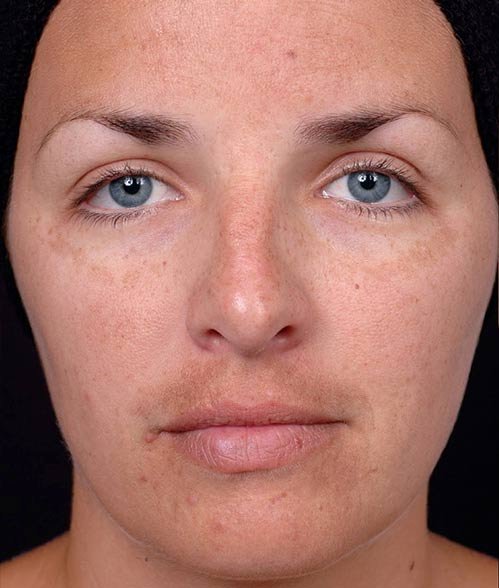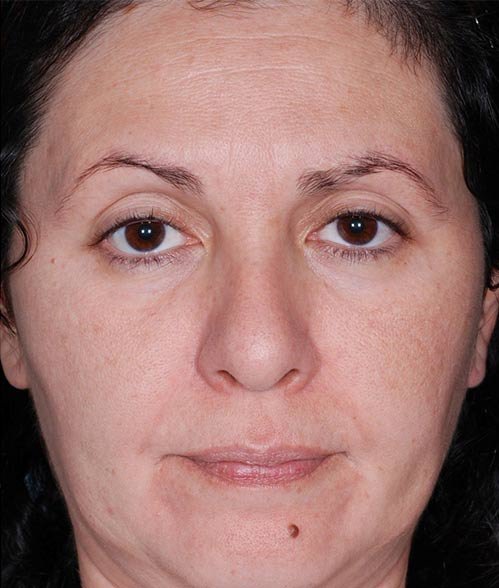

Peeling: Facial Rejuvenation with Customized Protocols
Does tired-looking skin and imperfections concern you? Peeling, or exfoliation, is the ideal treatment to renew the skin of the face and restore its youthful appearance and radiance!
What are peelings and in which cases are they applied?
Peelings are a method of removing “dead” skin cells and exfoliating the superficial layers of the skin using natural or chemical substances, with the goal of creating new skin with improved quality and texture.
By stimulating the skin’s natural regeneration mechanisms, peelings promote a healthy-looking complexion and effectively address a wide range of skin concerns, such as:
- Excess oil and enlarged pores
- Dull and tired-looking skin
- Acne and acne scars
- Pigmentation spots, discoloration, and uneven skin tone
- Fine lines and wrinkles
- Signs of aging and photoaging
- Superficial skin lesions, such as xanthelasma
- Redness and rashes, thanks to the antibacterial and anti-inflammatory action of many acids
An additional benefit of peelings is that they stimulate the production of collagen and elastin, while also enhancing the absorption of dermocosmetic products, improving their effectiveness.
How many types of facial peels are there?
Depending on the depth of penetration into the skin, peels are classified as superficial, medium, or deep. Superficial peels target the outer layer of the epidermis, medium peels reach the upper layers of the dermis, while deep peels penetrate the deeper layers of the skin.
Based on their ingredients and mechanism of action, peels can also be categorized as mechanical, chemical, or enzymatic. Mechanical peels work through friction, removing “dead” cells using granules or specialized devices; chemical peels rely on acids and chemical agents; and enzymatic peels use natural enzymes, making them ideal for sensitive skin.
The most popular acid peels are those containing AHA (alpha-hydroxy acids) and BHA (beta-hydroxy acids). AHAs, also known as fruit acids (glycolic, citric, lactic, mandelic, tartaric), primarily act on the surface of the epidermis, providing gentle exfoliation that is especially effective for fine expression lines and acne marks. BHAs, with salicylic acid being the most common, penetrate the skin more deeply, thoroughly cleansing it. They are particularly effective for acne due to their antiseptic properties and their ability to dissolve sebum deep within the pores.
While AHA and BHA peels can be applied at home, either as part of a treatment or as a daily skincare component, peels with trichloroacetic acid (TCA)—used for signs of aging, photoaging, and uneven skin tone and texture—must be performed exclusively by a doctor in a professional setting. Although TCA peels previously caused irritation and required long recovery times, new-generation TCA protocols using advanced solutions now provide the desired skin renewal and cellular stimulation in a painless way, without side effects or downtime.
Specifically, at Spiliopoulos Plastic Surgery Clinic, we apply two innovative TCA peel formulas, marking a new era in controlled chemical skin remodeling protocols. The 12% concentration formula is a superficial chemical peel that combines TCA, growth factors, Boswellia serrata gum, and Bisabolol, promoting controlled exfoliation, epidermal regeneration, collagen biosynthesis activation, and skin barrier restoration. The visible rejuvenation includes improved firmness, hydration, texture, and tone, along with strong antioxidant action addressing modern skin concerns such as inflammaging and digital aging.
The 20% concentration formula represents the next generation of medium-depth remodeling. Like its superficial counterpart, it combines TCA, growth factors, Boswellia serrata gum, and Bisabolol, offering controlled regeneration of both epidermis and dermis—from keratinocyte renewal to fibroblast activation—restoration of the skin barrier, anti-inflammatory support, and enhanced antioxidant defense. The results include correction of imperfections, radiant skin, collagen stimulation, improved elasticity, and a controlled recovery period.
How do I choose the right peel for me?
Thanks to advanced protocols and our ability to control the intensity of exfoliation (mild – medium – strong), acid peels can be applied to almost all skin types, including very sensitive skin. However, each person’s skin is unique and requires a specialized assessment of its type, characteristics, the specific aesthetic concerns to be addressed, and their extent.
During your first visit, you will receive a detailed consultation from Plastic Surgeon Dr. Konstantinos Spiliopoulos and the clinic’s specialized scientific team. Together, they will determine the ideal acid or combination of acids, along with the appropriate concentration, to achieve the best possible results without side effects.
Can peels be combined with other treatments?
Peels are an excellent complement to injectable treatments, such as mesotherapy, enhancing and highlighting the aesthetic results. Additionally, they can prepare the skin for other treatments (e.g., deep medical cleansing, hydration treatments, microneedling) or for more intensive exfoliation methods, such as chemical peeling.
What should I pay attention to after a peeling treatment?
After a peeling, proper skincare is essential, using specialized hydration and regeneration products, along with sunscreen with a high SPF, reapplied regularly throughout the day. It is recommended to avoid sun exposure and artificial tanning for a period corresponding to the intensity of the peel performed.
How long do the results of a peeling last?
The duration of the results depends on the type of peel performed and can be extended through the proper use of dermocosmetic products or by combining it with other aesthetic treatments from the wide range of services offered at Spiliopoulos Plastic Surgery Clinic.
What is the best season for a facial peel?
The ideal season for a facial acid peel is autumn and winter, when sun exposure is lower, thereby minimizing the risk of pigmentation spots and discoloration. An exception is the mandelic acid peel, also known as the “summer peel” or “Mykonos peel,” which, due to its mild action, can be safely applied year-round—even during the summer months on tanned skin—provided that sunscreen is used.
Customized peeling protocols in Athens
By scheduling your appointment at Spiliopoulos Plastic Surgery Clinic, you can be confident that we will successfully meet the challenge of perfect skin, selecting and applying the peel that is best suited for your skin!
Results